To blend hot soups safely without explosions, let the soup cool slightly before blending, and never fill your blender more than halfway. Remove or loosen the lid’s center cap to let steam escape, or tilt the lid slightly during blending. Use short bursts on low speed, hold the lid firmly, and space out blending sessions. For more detailed tips, including troubleshooting and alternative methods, keep going—you’ll find everything you need to blend hot soup safely.
Key Takeaways
- Cool hot soup slightly before blending to reduce pressure buildup and prevent eruptions.
- Use a vented lid or leave a small gap to allow steam escape safely.
- Blend in short bursts at low speed, holding the lid firmly to avoid splatters.
- Remove the blender’s center cap or create a vent for steam to escape during blending.
- Avoid overfilling the blender; fill no more than halfway for safe operation.

Blendtec 75 oz FourSide Jar – Four-Sided Replacement Blender Jar – Compatible with Most Blendtec Blenders – 32 oz Blending Capacity – Clear
- Multi-use Blender Jar: Grind grains, heat soup, blend small amounts
- Easy Ingredient Access: Add ingredients without removing lid
- Vented Lid for Hot Liquids: Seals liquids and vents pressure
As an affiliate, we earn on qualifying purchases.
As an affiliate, we earn on qualifying purchases.
Risks of Blending Hot Soup Without Safety Precautions

Blending hot soup without taking safety precautions can lead to dangerous splatters and burns. Hot liquids under pressure can erupt unexpectedly, causing severe injuries. Without safety goggles, you risk splashes hitting your eyes, which can cause serious damage. An emergency plan is essential; knowing what to do if hot soup spills or explodes helps minimize harm. Rushing the process or ignoring safety measures increases the chances of accidents. Always ensure your blender lid is secure and use protective gear like safety goggles whenever blending hot liquids. Proper safety measures and precautions are vital to prevent accidents and injuries in the kitchen. Additionally, understanding the pressure buildup within the blender can help prevent unexpected eruptions. Recognizing how thermal expansion affects hot liquids can also be crucial in assessing the risks involved. Being aware of liquid viscosity helps in understanding how the soup’s texture impacts its behavior during blending. Remember, accidents happen quickly, so stay alert and prepared. Taking these precautions protects you from burns, eye injuries, and other hazards associated with blending hot soup improperly. Proper safety measures help prevent accidents and injuries in the kitchen. Safety first prevents emergencies and keeps you safe in the kitchen.

DEWALT DPG82-11 Concealer Clear Anti-Fog Dual Mold Safety Goggle, Clear Lens, 1 Pair
- Lens Coating: Hard coated for scratch resistance
- Anti-Fog Coating: Prevents lens fogging
- Comfort Fit: Dual injected rubber conforms to face
As an affiliate, we earn on qualifying purchases.
As an affiliate, we earn on qualifying purchases.
How to Prepare Your Soup and Equipment for Safe Blending

Before you start blending hot soup, it’s important to prepare both the soup and your equipment properly. Proper ingredient preparation guarantees even blending and reduces splatter risks. Follow these steps:
- Let the soup cool slightly—hotter liquids increase pressure and risk explosions.
- Use fresh ingredients and trim any excess solids that could clog or cause uneven blending.
- Ensure your blender’s lid is secure and vented if possible, following equipment safety guidelines.
- Fill the blender no more than halfway to prevent overflow and allow space for safe blending.
- Always check your blender for damage or wear before use to ensure safety and functionality.
- Be mindful of the pressure buildup that can occur with hot liquids, which is why vented lids and proper filling are essential.
- Consider using a blender with venting features designed specifically for hot liquids to further improve safety.
- When blending hot liquids, start on a low speed and gradually increase to reduce the risk of splattering or thermal shock.
Taking these precautions helps minimize accidents and guarantees safe, smooth blending. Always handle hot liquids with care. Proper preparation is key to safe blending.
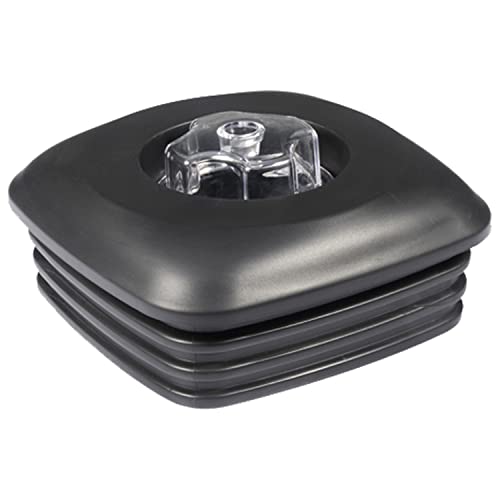
CRANDDI Replacement Lid with Filler Cap for Blender YL-010, Surrounded with Rubber Gasket, Plastic Lid and center cap, Black, L5"xW5"xH2"
- Compatible with Blender YL-010: Fits YL-010 blender models
- Rubber Gasket Surround: Sealed with rubber gasket for secure fit
- Food Grade Plastic: Made from durable, easy-to-clean plastic
As an affiliate, we earn on qualifying purchases.
As an affiliate, we earn on qualifying purchases.
Venting Techniques to Prevent Hot Soup Explosions

Venting your blender properly is essential to prevent hot soup from building up pressure and causing dangerous explosions. To do this, use effective venting methods that allow steam release during blending. One common technique is to remove the blender’s center cap or lid insert, creating an escape route for steam. Alternatively, you can tilt the lid slightly or leave a small gap to facilitate venting. Some blenders come with built-in venting systems designed specifically for hot liquids, so utilize those if available. Always monitor the soup closely and listen for hissing sounds indicating steam buildup. Proper venting ensures that pressure doesn’t accumulate, reducing the risk of explosions and ensuring safe, smooth blending of your hot soup. Additionally, understanding your blender’s filtration features can help ensure safe and efficient operation when working with hot liquids. Paying attention to safety guidelines and manufacturer instructions is crucial for preventing accidents during hot soup blending. Being aware of pressure buildup risks can further enhance safety during the process, and employing automatic shut-off features when available can provide an extra layer of protection. To further enhance safety, always check that your blender’s lid is securely in place before starting, and consider consulting your blender’s user manual for specific venting recommendations.

Turelar Immersion Blender Corded 400W, 2 Speed, Emulsifier, Blend, BPA-Free
- Powerful Copper Motor: High-torque for quick blending
- Two-Speed Settings: Adjustable speeds with turbo mode
- Pulse Activation: One-touch control for perfect texture
As an affiliate, we earn on qualifying purchases.
As an affiliate, we earn on qualifying purchases.
Safe Methods for Blending Hot Soup in Your Blender

To safely blend hot soup in your blender, always start by filling the container no more than halfway to prevent overflow and guarantee there’s enough room for the liquid to move freely. Proper ingredient preparation is essential—cut ingredients into uniform pieces to ensure even blending. Use blender lid seals securely to prevent leaks during operation. Follow these steps:
- Leave the blender vent open slightly to allow steam escape.
- Blend in short bursts instead of continuous on, reducing pressure buildup.
- Start at a low speed, then gradually increase.
- Always hold the lid down firmly during blending for added safety.
Alternative Ways to Puree Hot Soup Without a Blender

If you want to puree hot soup without a blender, there are several effective alternatives. Cold blending is a great option; simply let the soup cool slightly before transferring it to a jar or container, then blend it with an immersion blender or shake vigorously. Manual pureeing is another reliable method—use a potato masher or fork to mash the soup until smooth, especially for smaller batches. You can also pass the soup through a fine sieve or food mill to achieve a velvety texture. These methods avoid the risk of explosions caused by hot liquids in blenders, ensuring safe, controlled pureeing. Just remember to work in small portions and handle hot liquids carefully to prevent burns or spills. Additionally, choosing the right breakfast options can help start your day with energy and health in mind.
Common Mistakes to Avoid When Blending Hot Soup

One common mistake to avoid is overfilling your blender or container, which can cause hot liquids to splash or even spill. Proper blender safety is vital during soup preparation. To guarantee safe blending, keep these tips in mind:
- Fill the blender only halfway or less to prevent overflow.
- Leave a vent or remove the center cap from the lid to allow steam escape.
- Start blending at a low speed and gradually increase.
- Never fill the blender with boiling hot soup directly; let it cool slightly first.
- Additionally, ensuring proper airflow around your blender can help prevent overheating and improve safety. Using a quality blender with safety features can further reduce risks during blending hot liquids. Being aware of vetted appliances and accessories can ensure you choose products that meet safety standards.
Ignoring these steps can lead to dangerous splatters or burns. Always prioritize safety to make your soup preparation smooth and risk-free. Avoid rushing, and follow these guidelines for safe, effective blending.
Cleaning and Maintaining Your Blender After Hot Soup Use

After blending hot soup, it’s vital to clean your blender promptly to prevent residue buildup and maintain its performance. Proper blender cleaning ensures smooth operation and extends equipment lifespan. To keep things simple, rinse the jar immediately after use with warm water. Then, add a few drops of dish soap and blend on high for 30 seconds. For thorough equipment maintenance, disassemble the blades and gasket regularly, washing each part carefully. Use this table to visualize the process:
| Step | Action |
|---|---|
| Rinse | Warm water rinse immediately |
| Deep Clean | Soap and blend for 30 seconds |
| Disassemble & Wash | Clean blades and gasket separately |
Consistent cleaning keeps your blender in top shape and ready for safe, efficient hot soup blending. Regular maintenance also helps prevent damage caused by residue and ensures your appliance functions reliably over time. Additionally, following proper cleaning procedures can help maintain the performance and safety of your blender. Incorporating routine maintenance into your kitchen habits can further prolong the lifespan of your equipment and ensure safe operation every time, especially when handling hot liquids that can pose risks if not properly managed.
Troubleshooting Tips for Smooth and Safe Soup Purees

If your soup isn’t blending smoothly or seems too thick, try adjusting your venting technique to release steam safely. Always check the consistency as you blend, adding liquids if needed to achieve the desired texture. These simple steps guarantee your puree stays safe and perfectly smooth. Additionally, proper venting during blending helps prevent pressure buildup that could lead to dangerous situations.
Vent Steam Venting Techniques
To guarantee your hot soup purée stays smooth and safe, venting steam properly is essential. Correct steam release prevents pressure buildup and potential splatters. Here are effective venting methods:
- Use a vented lid or leave a small gap to allow steam to escape gradually.
- Insert a heat-proof cloth or paper towel under the lid to absorb excess steam.
- Tilt the lid slightly during blending to release steam safely without splattering.
- For manual venting, open the lid slightly after blending, then quickly close if needed.
- Always be aware of the pressure buildup that can occur if steam is not vented properly.
Always monitor the steam venting process closely. Proper venting techniques ensure your soup remains smooth and prevents dangerous pressure buildup during the blending process.
Proper Consistency Checks
Wondering if your soup puree has the right texture? To check consistency, carefully open your blender or transfer the soup to a bowl. If it’s too thick, add a splash of broth or water to loosen it, then blend briefly. For a thicker texture, consider ingredient substitutions like adding cooked potatoes or beans. Taste your puree to assess flavor; if it’s bland, incorporate flavor enhancements such as herbs, spices, or a touch of cream. Keep in mind, the perfect consistency varies based on your recipe and preferences, so adjust gradually. Proper consistency checks ensure your soup is smooth, safe, and enjoyable. These simple steps help prevent over-blending or under-blending, ensuring your soup’s texture is just right without compromising safety or flavor.
Frequently Asked Questions
Can I Use a Regular Blender for Hot Soups Safely?
You can use a regular blender for hot soups, but you must prioritize blender safety by taking hot liquid precautions. Always leave a vent open to allow steam to escape, and blend in small batches to prevent pressure buildup. Avoid overfilling, and never fill the blender to the top. Use a towel or lid with a vent, and start blending on low speed, gradually increasing to avoid splashes or explosions.
What Temperature Should My Soup Be Before Blending?
You should let your soup cool to around 140°F (60°C) before blending to guarantee temperature safety. Blending hot soup straight from the stove can cause pressure buildup and splatters. Use blending techniques like filling the blender only halfway, venting the lid, and blending in batches if needed. Always be cautious, and avoid filling the blender too full to prevent accidents and ensure safe, smooth results.
How Long Should I Blend Hot Soup to Avoid Splatters?
A stitch in time saves nine, so don’t rush. Blend hot soup for about 30 to 60 seconds, stopping to release steam carefully. Keep the blender lid slightly ajar to let steam escape, preventing pressure buildup. The blending duration should be enough to smooth the soup without overdoing it. Always listen for the sound of steam release, which signals it’s safe to open or continue blending.
Are There Specific Blender Models Designed for Hot Liquids?
Yes, some blender models are specifically designed for hot liquids, featuring heat-resistant containers and sealed lids to enhance blender safety. When choosing a blender, look for those with hot liquid guidelines in the user manual, ensuring you follow recommended blending times and safety tips. These models help prevent splatters and explosions, making blending hot soups safer and more efficient. Always prioritize blender safety and follow manufacturer instructions.
Is It Safe to Use a Hand Blender Directly in the Pot?
You can safely use a hand blender directly in the pot, but only if you follow proper blender safety and hot liquid handling tips. Keep the blender submerged, start at a low speed, and avoid splashing hot liquids. Think of it as taming a wild wave—steady, controlled, and cautious. This way, you prevent splatters and accidents, blending your soup smoothly without risking burns or spills.
Conclusion
By following these safety tips, you turn your soup-blending adventure from a potential storm into a gentle breeze. Think of your blender as a trusted partner, not a ticking time bomb—handling it with care keeps your kitchen calm and your soup smooth. With the right precautions, you’ll master the art of blending hot soups safely, transforming fiery liquids into velvety masterpieces without the chaos of explosions. Happy blending!